
THE MANHATTAN GUIDE
Three neighborhoods. Three distinct ways of living.
Explore a concise, qualitative view of SoHo, Tribeca, and the Upper East Side, then save the places you want to discuss privately.
DOWNTOWN
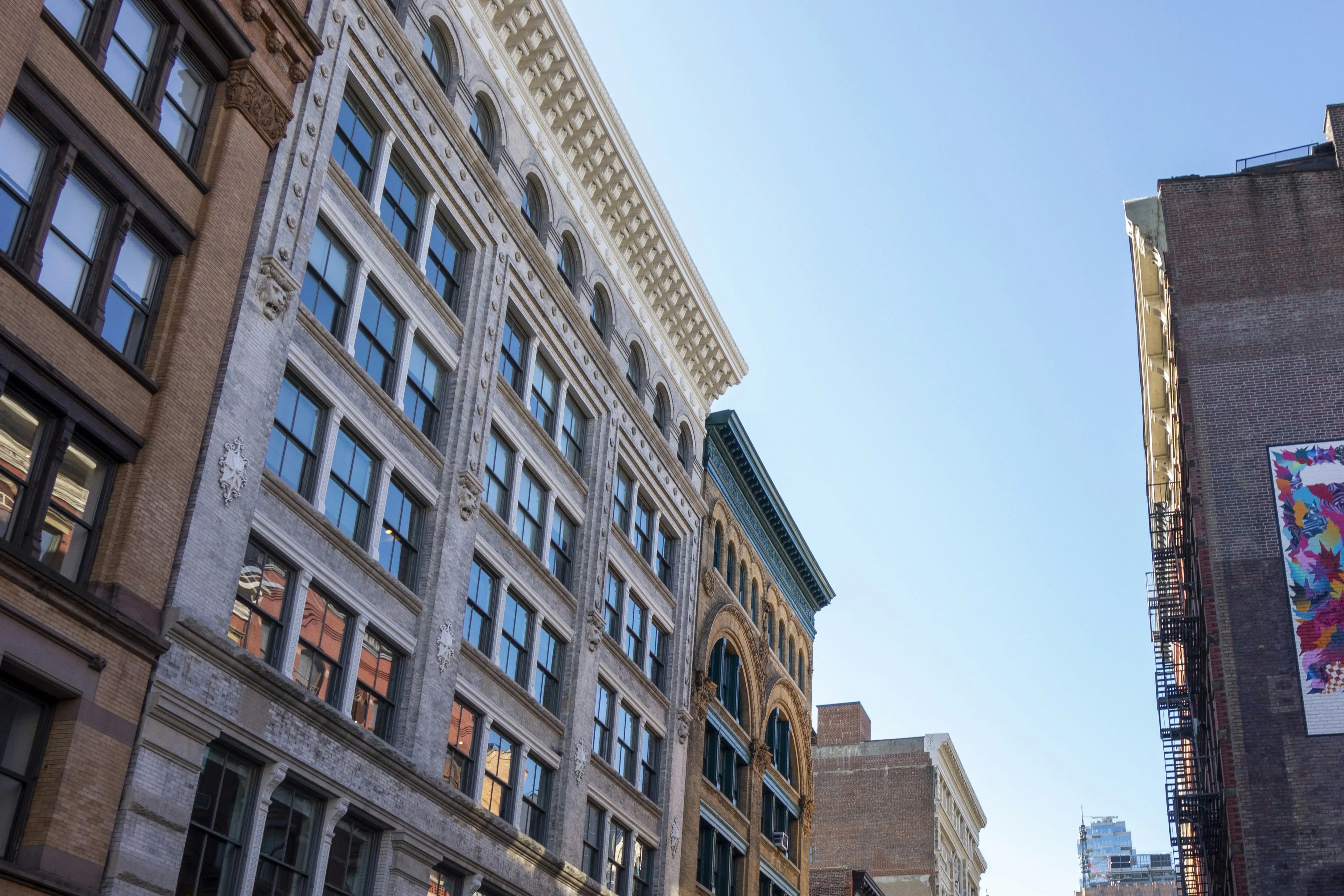
SoHo
Cast-iron architecture, loft proportions, and a public energy that changes after the storefronts close.
Residential character varies block by block. Entry sequence, street exposure, light, and the relationship between historic volume and contemporary intervention matter.
Classic lofts can offer remarkable width, ceiling height, and flexible volume, while also asking careful questions about privacy, acoustics, elevator access, and natural light deep within the plan.
For residents who value architecture and immediate access to galleries, dining, and downtown culture, SoHo offers an experience that remains distinctly urban.

LOWER MANHATTAN
Tribeca
Expansive lofts and converted industrial fabric meet a quieter, more residential downtown cadence.
Scale, elevator arrival, depth from the window wall, and the building’s relationship to the Hudson shape how a Tribeca home feels.
The neighborhood combines cobbled historic streets with substantial new residential architecture. Floor-through layouts, keyed elevator access, large window walls, and adaptable rooms can support both family life and entertaining.
Its appeal often lies in balance: downtown proximity without constant intensity, generous interiors alongside open river edges, and a strong sense of residential continuity.
UPTOWN
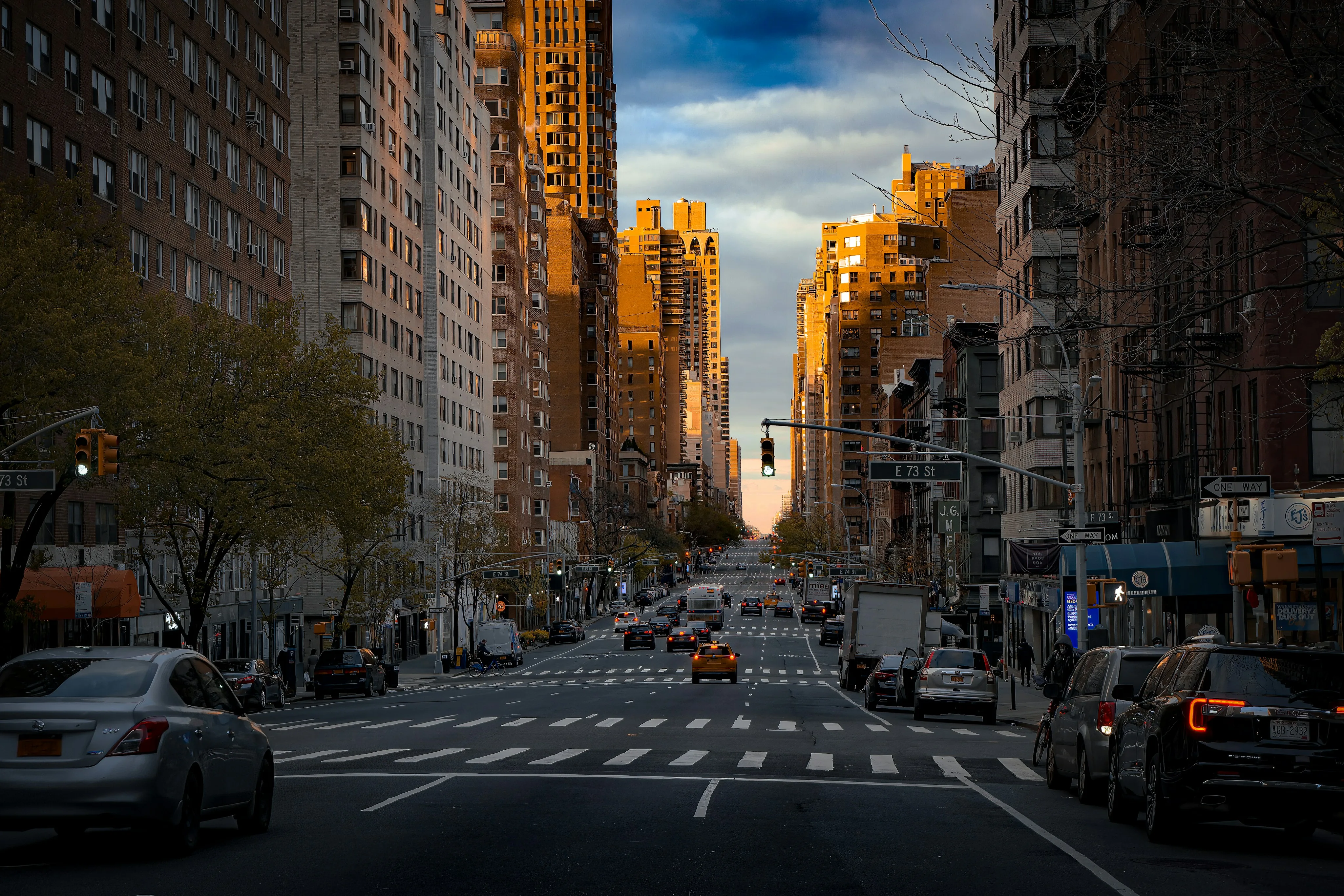
Upper East Side
Townhouses, prewar residences, and composed avenues near museums and Central Park.
From formal room sequences to quiet side streets, the area rewards a close reading of building character, service, outlook, and daily ritual.
Prewar cooperatives may offer gracious proportions, defined rooms, and long-established service, while townhouses create a more independent relationship with the street. Newer condominiums introduce another set of possibilities around amenities and flexibility.
Proximity to the park, cultural institutions, schools, and neighborhood services gives the area a durable rhythm that can feel both formal and deeply personal.
CHOOSING AN AREA
The right neighborhood should support the life around the residence.
A map shows distance. It does not show rhythm.
We consider how a neighborhood changes from weekday to weekend, morning to evening, and season to season. The experience of a block may be shaped by retail traffic, schools, nearby construction, cultural destinations, transportation, or the quiet created by its particular building mix.
Saving an area is only a starting point. A private conversation can narrow the focus to the streets, building types, and daily patterns that best reflect your priorities.
YOUR PRIVATE LIST
No neighborhoods saved yet.